Dental sedation is safe for the vast majority of patients when a trained team follows recognized guidelines, screens for risk factors, and monitors vital signs throughout the procedure. The main categories, nitrous oxide, oral conscious sedation, IV sedation, and general anesthesia, carry different levels of risk depending on drug dose, delivery route, and patient health. Guidance from the ADA and Cleveland Clinic informs this article, published by Complete Dental Care.
TL;DR:
- Risks increase significantly with deeper sedation, especially for patients with health conditions like sleep apnea, obesity, or uncontrolled cardiovascular issues.
- Capnography monitoring becomes essential for moderate and deep sedation to detect breathing problems early and prevent respiratory complications.
- Proper patient screening, including medical history and ASA classification, is crucial to determine sedation safety and whether procedures should be performed in a hospital setting.
- Staff should have certification in Basic Life Support or Advanced Cardiac Life Support, and regularly practice emergency protocols to ensure rapid response during adverse events.
- Pre-procedure preparation, including fasting, medication disclosure, and arranging transportation, plays a vital role in minimizing sedation-related risks.
questions about this? we're happy to help.
Every patient's situation is a little different. If you want to talk through what this means for you, our Greenville team is one call away.
schedule a free consultationTable of Contents
- What Are the Different Types of Dental Sedation?
- Do the Risks Change With Sedation Depth?
- Who Faces Higher Risk From Dental Sedation?
- What Monitoring Should You Expect During Sedation?
- How Should You Prepare for Dental Sedation?
- What Should You Ask Your Dentist Before Sedation?
- Balancing Access and Safety in Sedation Dentistry
- Sedation Options at Complete Dental Care
- Sources
- FAQ
What Are the Different Types of Dental Sedation?
Sedation dentistry isn’t one thing. It’s a spectrum, and where a patient lands on it depends on the procedure, anxiety level, and health history.
Minimal sedation (nitrous oxide) is the lightest touch. You inhale a nitrous oxide and oxygen mix through a mask, feel relaxed within minutes, and recover in 15 to 30 minutes once the mask comes off and pure oxygen clears the gas from your system. It’s common for cleanings, fillings, and mildly anxious patients who still want to drive themselves home.
Moderate sedation covers oral conscious sedation (a pill, usually a benzodiazepine, taken before the appointment) and some single-drug IV protocols. Patients stay awake enough to respond to verbal commands and breathe on their own, which is the defining feature of conscious sedation. Grogginess can last several hours afterward.
Deep sedation typically means IV administration of stronger agents, sometimes combined, pushing the patient closer to unconsciousness while protective reflexes are still present. General anesthesia removes consciousness entirely and is reserved for extensive oral surgery, severe anxiety disorders, or patients who can’t tolerate any awareness of treatment.
- Nitrous oxide: fastest onset, fastest recovery, patient fully alert afterward
- Oral conscious sedation: slower onset, several hours of lingering drowsiness
- IV sedation: rapid onset, dose adjusted in real time, recovery measured in hours
- General anesthesia: full unconsciousness, longest recovery, hospital-level monitoring
Procedures like surgical implant placement often call for moderate to deep sedation, while a routine filling rarely needs more than nitrous oxide or a mild oral option.
Do the Risks Change With Sedation Depth?
Yes, and the relationship isn’t subtle: the deeper the sedation, the narrower the safety margin. Practice guidelines from ASPHO, ASA, and AAOMS point to sedation depth and drug combinations, not any single drug in isolation, as the biggest drivers of risk.
Common, mild side effects show up across nearly every sedation level:
- Drowsiness and grogginess lasting hours after oral or IV sedation
- Nausea or a mild headache, especially with oral benzodiazepines
- Dry mouth from reduced saliva production
- Minor bruising or tenderness at the IV insertion site
The rarer but serious risks are respiratory depression (breathing slows more than intended), airway obstruction, aspiration, and allergic reactions to sedative agents. These almost always trace back to one thing: sedation going deeper than planned without the team catching it fast enough. That’s why ADA guidelines require every sedating dentist to have the training and equipment to manage unintended deepening, not just deliver the drug.
Reversal agents add another layer of protection for specific drug classes. Flumazenil can reverse benzodiazepine effects, and naloxone reverses opioid sedation, but neither is a substitute for close monitoring. A single-drug titration technique, where the dentist gives small incremental doses and watches the response, tends to have a wider margin for error than combining multiple sedatives at fixed doses.
Who Faces Higher Risk From Dental Sedation?
Certain health conditions and life stages change the calculation entirely, and a good dental team screens for them before ever discussing sedation options.
- Pregnancy, particularly regarding drug selection and timing (see dental X-ray safety during pregnancy for related precautions)
- Obstructive sleep apnea, which already compromises airway control
- Obesity or elevated BMI, which affects drug dosing and airway anatomy
- Severe cardiopulmonary disease, including uncontrolled heart or lung conditions
- Current use of psychotropic medications, opioids, or recent substance use
Anesthesiologists use a classification called ASA physical status to rank patients from healthy (ASA I) to critically ill (ASA V or VI). A patient with well-controlled mild disease (ASA II) is usually fine for in-office sedation. Someone with severe systemic disease (ASA III or higher) may need medical clearance first, or the procedure may need to happen in a hospital setting with anesthesiology support.
None of this works without honesty. Patient history involving allergies, current medications, sleep apnea, and pregnancy directly shapes which sedative gets used and at what dose, so leaving something off the intake form isn’t a small omission. It’s the single most preventable cause of a sedation complication.
What Monitoring Should You Expect During Sedation?
Walk into an office that’s serious about sedation safety and you’ll notice the equipment before you notice the drugs. Pulse oximetry, which tracks blood oxygen levels through a small clip on your finger, is standard for nearly every sedation level above nitrous oxide alone. For deeper sedation, capnography, which measures exhaled carbon dioxide to catch breathing problems before oxygen levels even drop, becomes the recommended standard rather than an option.
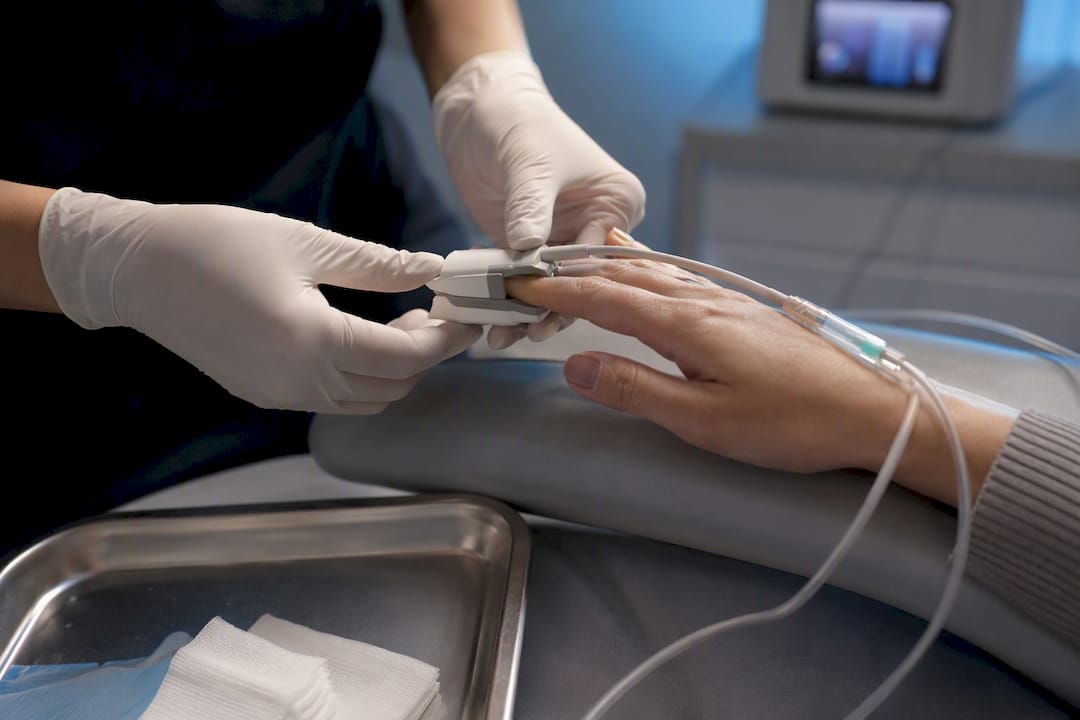
Blood pressure and heart rate checks run throughout the appointment, and the room needs a reliable oxygen supply plus suction equipment on hand.
Staffing matters just as much as equipment. The dentist or a dedicated team member should hold Basic Life Support certification at minimum, with Advanced Cardiac Life Support required for deeper sedation cases in many state regulations. Someone trained specifically to monitor the sedated patient, separate from whoever is doing the dental work, should be watching vitals the entire time.
- Continuous pulse oximetry for oxygen saturation
- Capnography for moderate to deep sedation
- Regular blood pressure and heart rate checks
- Written emergency protocols with scheduled staff drills
Updated ADA guidance from April 2026 pushed this further, adding weight-based dosing calculations and BMI to standard baseline vitals, alongside a stronger emphasis on documented emergency protocols rather than informal plans.
Pro Tip: Ask whether emergency drills happen on a schedule, not just after an incident. Offices that practice their rescue protocol regularly tend to respond faster when something actually goes wrong.
How Should You Prepare for Dental Sedation?
Preparation isn’t a formality. It’s one of the most controllable safety factors in the entire process.
- Confirm your fasting requirements with your provider. Nitrous oxide often allows a light meal beforehand, while oral sedation, IV sedation, and general anesthesia typically require no solid food for 6 to 8 hours prior.
- Disclose every medication and supplement you take, including blood thinners, diabetes medications, and GLP-1 drugs like semaglutide, since these can affect dosing or interact with sedatives.
- Arrange a responsible adult to drive you home and stay with you for several hours afterward. This is non-negotiable for anything beyond nitrous oxide.
- Watch for red flags after you get home: difficulty breathing, chest pain, severe or worsening nausea, or confusion that doesn’t improve. Any of these warrants an urgent call to your provider.
Recovery windows vary by sedation depth, from roughly 15 to 30 minutes for nitrous oxide up to several hours of grogginess for oral and IV sedation.
What Should You Ask Your Dentist Before Sedation?
A short conversation before your appointment tells you almost everything you need to know about how seriously an office takes sedation safety.
- Who administers the sedation, and what certifications do they hold?
- What monitoring equipment is used, and does it include capnography for IV or deep sedation?
- How often does the staff run emergency drills?
- What written discharge criteria determine when you’re cleared to leave?
You should walk out with pre-op instructions, a medication plan, and an emergency contact number in hand, not a verbal summary you have to remember. If an office can’t answer these questions clearly, that hesitation tells you something.
Complete Dental Care pairs sedation options with 3D imaging for precise treatment planning and offers a therapy dog for patients who need comfort beyond medication. Both are worth asking about if dental anxiety is part of your decision.
Pro Tip: A well-run office will volunteer this information before you ask. If you have to pry it out of them, take that as your answer.
Balancing Access and Safety in Sedation Dentistry
Sedation exists to make dentistry possible for people who’d otherwise avoid it entirely, anxious patients, special-needs patients, people with severe gag reflexes. Denying that access over vague fear helps no one. But safety here is a two-way street: it depends as much on what patients disclose as what providers prepare for. Neither side gets to skip their part.
— Complete Dental Care
Sedation Options at Complete Dental Care
Complete Dental Care builds sedation planning around the same principle guiding this entire article: match the sedation level to the patient and procedure, then back it with real monitoring and preparation. For patients weighing implant surgery, extractions, or other procedures where sedation typically comes up, 3D imaging and digital scanning let the team plan treatment precisely before a single sedative gets discussed, and comfort measures like the practice’s therapy dog give anxious patients another option beyond medication alone. If you’re deciding whether sedation makes sense for an upcoming procedure, explore Teeth in a Day or schedule a consultation directly to talk through your options with the team.
This article is general information, not a substitute for advice from a qualified doctor. Consult a qualified healthcare professional about your own circumstances before acting on anything here.
Sources
- Conscious Sedation in Dentistry (NCBI/Bookshelf)
- ADA Guidelines for the Use of Sedation and General Anesthesia by Dentists (ADA)
- Practice Guidelines for Moderate Procedural Sedation and Analgesia (ASPHO/ASA/AAOMS et al.)
- Sedation Dentistry (Cleveland Clinic)
FAQ
What is the safest sedation for dental work?
Nitrous oxide is generally considered the safest option for routine procedures because of its rapid recovery time and built-in delivery safeguards, though the right choice always depends on the procedure and patient health.
What should you avoid before dental sedation?
Avoid eating solid food for 6 to 8 hours before moderate or deep sedation unless your provider says otherwise, and skip alcohol and undisclosed medications entirely.
How risky is dental sedation overall?
Sedation dentistry carries a low overall risk when administered by trained staff following ADA guidelines, with risk rising alongside sedation depth and patient health complications rather than from the drugs alone.
What are the downsides of oral sedation?
Oral sedation commonly causes prolonged drowsiness, nausea, and dry mouth that can last several hours, and it requires a driver since you cannot safely drive yourself home afterward.
Does Complete Dental Care offer sedation for anxious patients?
Complete Dental Care offers sedation options alongside comfort measures like a therapy dog and detailed treatment planning through 3D imaging, and current details are available by scheduling a consultation at Complete Dental Care.
questions about this? we're happy to help.
Every patient's situation is a little different. If you want to talk through what this means for you, our Greenville team is one call away.
schedule a free consultation